


Digitalization has become a particularly important topic in all areas, and the energy sector is no exception.
In an era where the global demand for sustainable and efficient energy solutions is constantly growing, digital technologies are proving to be the key to achieving efficiency and sustainability goals. Artificial Intelligence (AI), along with other advanced technologies such as the Internet of Things (IoT), Machine Learning (ML), and blockchain, is already revolutionizing the way we manage energy resources on a daily basis.
As homes, vehicles, and industrial facilities gradually move away from fossil fuels in favor of renewable energy, the rapid increase in electricity demand poses a significant challenge to current infrastructure, and this appears to be exacerbated by the expansion of data centers needed to support the development of AI, which contributes significantly to increased energy consumption.
So could artificial intelligence become one of the most powerful tools in optimizing energy demand, or on the contrary, will it contribute to the overloading of an already demanded electricity grid?
The answer is not exactly a simple one:
On the one hand, if applied correctly, AI solutions have enormous potential to facilitate the digitization of networks: from cities, buildings and means of transport, AI technologies can play a crucial role in maintaining the accessibility and reliability of electricity even as demand continues to grow.
However, the modern lifestyle depends on increasing computing power: we work in the cloud, shop online, receive series recommendations in streaming apps and use social networks. All of this requires significant energy consumption, and artificial intelligence models are among the largest consumers of digital resources in recent decades.
So how can artificial intelligence be used in favor of energy efficiency processes?
Internet of Things (IoT) and energy resource management.
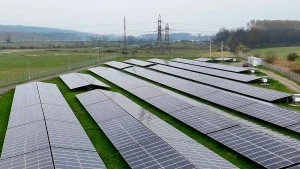
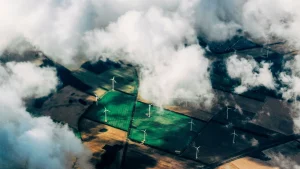
IoT plays a critical role in monitoring and managing energy equipment. By installing smart sensors on solar panels, wind turbines, and other equipment, data is collected in real-time and analyzed to optimize performance, prevent failures, and reduce operational costs. In large-scale energy projects, IoT integration can lead to substantial savings and more efficient resource management. This is one of the ways AI and IoT collaborate to optimize energy consumption, minimizing energy waste and improving the overall efficiency of systems.
AI and Machine Learning have applicability in forecasting and optimization.
AI and Machine Learning are already being used to analyze complex data and predict energy demand, renewable production, and other key variables. For example, Google DeepMind used AI to reduce energy consumption in Google data centers by about 40%. These technologies can be implemented in large projects to optimize energy production and distribution, minimizing losses and maximizing efficiency.
AI solutions can also balance uneven energy demand by implementing demand response programs based on machine learning technologies, reducing carbon emissions through the efficient use of renewable energy.
Blockchain, security and transparency.
Blockchain technologies are a secure and transparent way to track energy transactions and flows in large projects. This technology can be used to secure contracts, monitor energy provenance, and facilitate peer-to-peer (P2P) transactions in decentralized distribution networks. Additionally, by increasing transparency and simplifying administrative processes, blockchain increases trust between partners, leading to more efficient and responsible management of energy resources.
Digital Twins for monitoring and planning
Digital Twins are virtual replicas of physical systems that allow the monitoring and simulation of the behavior of energy infrastructures in real time. In large-scale energy projects, their use allows testing different scenarios and optimizing performance without the risk of damage or interruptions, while providing a more detailed insight into operations and becoming a valuable tool in strategic decision-making.
… and the list goes on
There are already software based on learning algorithms that are widely used in the energy field: we have AutoGrid, used by suppliers for predictive supply and demand analysis, IBM Watson for Energy to optimize production and distribution operations, or Grid Edge which uses predictive models to predict energy consumption and suggest energy efficiency measures that reduce costs and carbon emissions.
However, is the high consumption of data centers a disadvantage big enough to overshadow the benefits brought by AI solutions?
Although data centers consume enormous amounts of energy to train and support these AI models, and this increased consumption puts even greater pressure on electricity grids, artificial intelligence has the ability to significantly accelerate the transition to a more efficient and sustainable energy future.
How? By optimizing demand and reducing energy waste.
With competing demands from the real estate, transport and industry sectors, continuously improving the efficiency of the current energy system becomes an optimization issue. This is where artificial intelligence comes in, which could accelerate the capabilities of specialized human resources, using the best available digital technologies to manage and optimize energy consumption.
Although the power grid is under considerable stress during peak demand, most of the time it operates at less than 50% capacity.
By implementing demand response programs based on assistive learning technologies (in the beginning), AI could balance this uneven demand across days, seasons, and years, providing more reliable energy and reducing carbon emissions through the efficient use of renewable energy.
Imagine an AI system that adjusts the speed of production lines based on the availability and production of renewable energy, or even an AI-powered platform that optimizes logistics to minimize energy consumption. Properly implemented, artificial intelligence could help consumers manage their energy stocks to maximize investments and benefits to the grid.
Harnessing the potential of AI for an easy energy transition requires intervention and collaboration.
Thanks to its ability to make smart decisions, AI has the potential to revolutionize energy solutions by reducing waste without compromising convenience. However, without adequate policy support and meaningful human involvement, AI risks exacerbating the energy and climate crises, amplifying social and environmental inequities.
Instead of replacing human professionals, we should encourage companies to develop AI tools that collaborate effectively with engineers and architects to find the most energy-efficient solutions.
AI can greatly improve the efficiency of smart energy solutions, increase grid reliability, and accelerate the clean energy transition. However, to fully realize this potential, we need to ensure that AI development is directed towards sustainable and fair solutions that bring real benefits to both society and the planet. While AI poses a significant challenge to energy demand, it could hold the key to reducing consumption if used intelligently and responsibly, in close collaboration with experts in the field.
Discover the first Adrem newsletter, in which our specialists put you up to date with the latest news, news and innovations in the energy field.